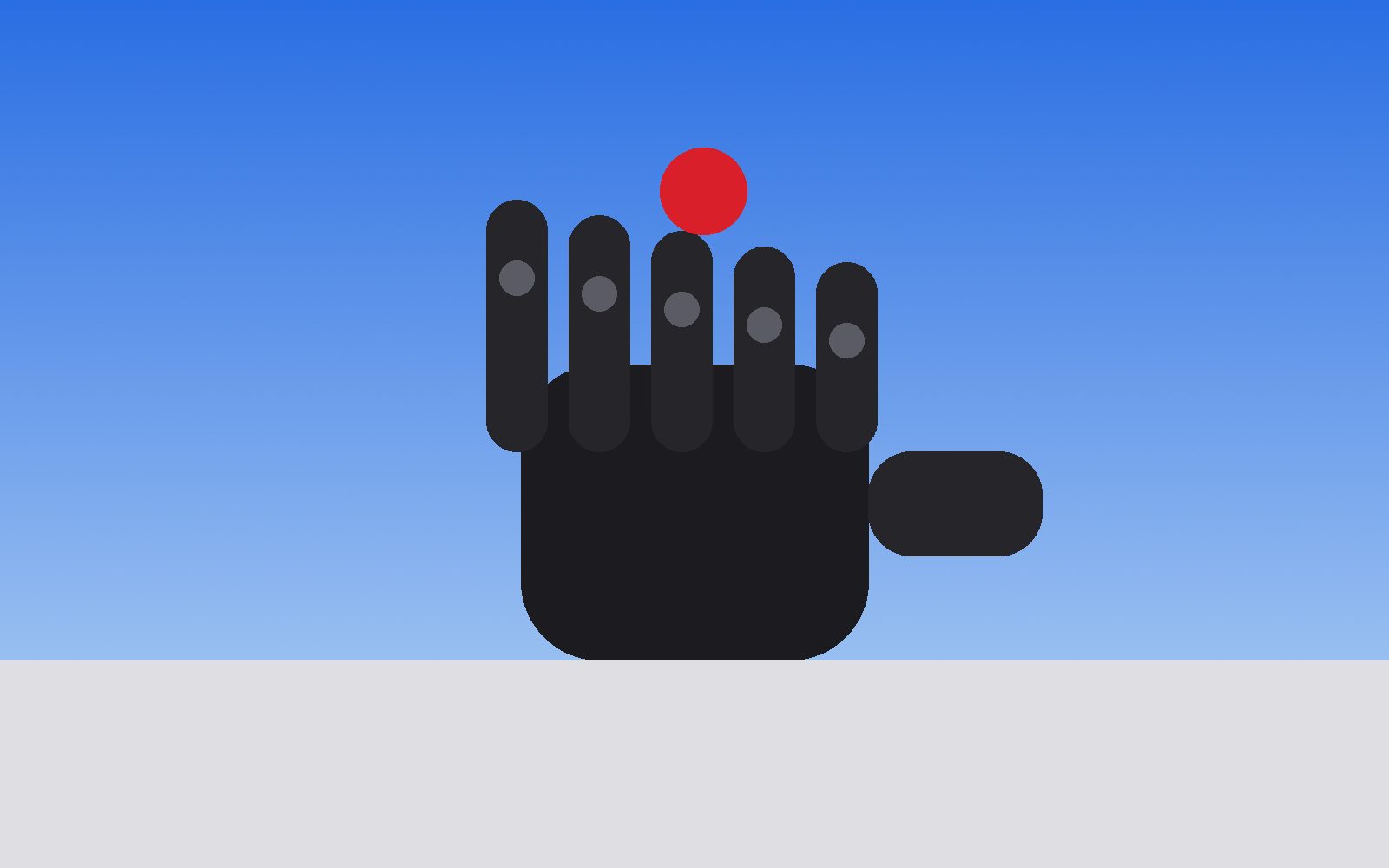
We met the team developing one of the world’s most advanced – and affordable – robotic hands. For most of the last decade, the conversation about this field was dominated by what could go wrong. That caution was useful. But it also hid a quieter story: the costs kept falling, the prototypes kept working, and a new generation of teams stopped asking whether and started asking how fast.
The people doing the work rarely describe it as a moonshot. They talk about tolerances, supply contracts and the number of hours it takes to get a permit. Progress, up close, looks a lot like paperwork done well.
Key takeaways
- Costs fell faster than even optimistic forecasts predicted.
- The bottleneck has moved from invention to deployment and permitting.
- Three pilot projects are already operating at commercial scale.
Why it matters now
Skeptics point out – fairly – that many breakthroughs announced in press releases never reach the market. The difference this time is deployment: there are customers paying for the product, and the learning curve is visible in public data.
89%
drop in the cost of solar modules since 2010
3.4×
more lab automation per researcher than a decade ago
10 yrs
added to healthy lifespan in leading animal studies
History suggests the hard part is rarely the first demonstration. It is the second factory, the tenth city and the hundredth technician trained to maintain the thing. That is where institutions, not inventors, decide the pace.
From the conversation
Q. What surprised you most when the first prototype worked?
A. How boring it was. We expected fireworks. Instead the numbers simply lined up with the model, night after night, and that quiet reliability is what convinced the investors.
Q. And what is the hardest part now?
A. Permits and people. The physics is solved; the paperwork and the hiring are not.
What happens next
- What would it take to go faster? Almost everyone we interviewed gave the same three answers: clearer rules, patient capital and more people who know how to build.
- Watch for pilot results over the next 12–18 months.
There is also a cultural piece. Societies that celebrate builders tend to get more of them. The parade for the bridge, the prize for the vaccine – those rituals told young people that this was worth a life’s work. The next five years will show whether this becomes a footnote or a turning point. Either way, the early numbers are worth paying attention to.